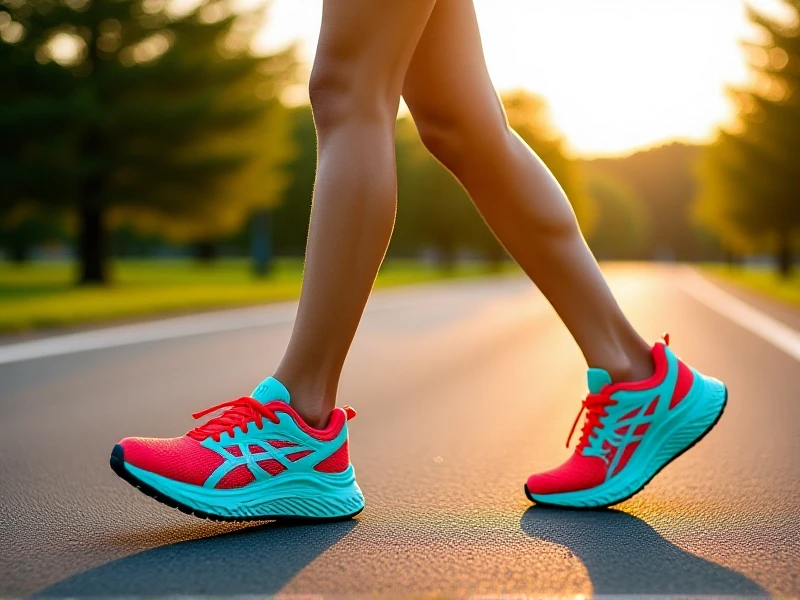
The Ultimate Guide to Finding Your Perfect Sports Shoes
Choosing the right sports shoes isn't just about style; it impacts your performance, comfort, and crucially, helps prevent injuries. Whether you're into running, basketball, the gym, or hiking, the right footwear can make a world of difference. With so many options crowding the market – Nike, Adidas, New Balance, ASICS, Brooks – knowing what to look for is key.
Why Proper Sports Shoes Matter?
Your feet absorb immense impact during activity. Good sports shoes are engineered to cushion each stride or jump, supporting your arches and stabilizing ankles. This reduces stress on joints like knees and hips. Ill-fitting or worn-out shoes lead to blisters, plantar fasciitis, shin splints, and long-term joint problems. Investing in correct footwear is investing in your overall health and athletic longevity.
It's All About the Sport!
Not all sports shoes are created equal. Major categories include:
- Running Shoes: Designed for forward motion. Offer cushioning, shock absorption, and heel-to-toe transition support. Look for stability or motion control features if you overpronate.
- Basketball Shoes: Prioritize ankle support (often high-top), lateral movement stability, and court-specific traction to handle quick cuts and jumps.
- Training/Cross-Training Shoes: The versatile all-rounder. Provide stability for multi-directional movements, lateral support, and a flatter sole for weightlifting, ideal for gym workouts and circuit training.
- Tennis/Squash Shoes: Built for side-to-side sprints and pivots on court surfaces, offering exceptional lateral stability and durable outsoles.
- Trail Running/Hiking Shoes: Feature aggressive treads for grip on uneven terrain, increased durability, and often toe protection and waterproofing.
Finding Your Perfect Fit
Beyond sport type, consider:
- Foot Type & Gait: Understand your arch (flat, normal, high) and pronation (inward roll). Many specialty stores offer gait analysis.
- Fit is Paramount: Always try shoes on later in the day when feet are slightly swollen. Ensure a thumb's width between longest toe and end of shoe. Heel should be snug but not slip. Width shouldn't cause pinching. Don't assume you're the same size across all brands!
- Replace Regularly: Sports shoes lose cushioning and support over time. Track mileage (typically 300-500 miles for runners) or replace every 6-12 months with regular use.
- Socks Matter: Wear the type of athletic socks you'll use during activity when trying shoes on.
Don't compromise on foundation. Investing time in selecting the correct pair of sports shoes tailored to your activity and individual needs enhances your enjoyment, unlocks your potential, and crucially, keeps you moving safely and comfortably. Your feet will thank you!